A Premises Liability Attorney Explains the Importance of Visitor Status
In slip and fall cases, not all visitors are treated equally under the law. Your rights — and the property owner’s responsibilities — hinge on your visitor status. Read on for a breakdown of visitor status, property owner liability and premises liability attorneys near you.
Visitor Statuses
Property owners owe visitors a duty of care — but the level of responsibility they need to take depends on the visitor’s status. The law defines three types of visitors: invitees, licensees and trespassers.
- Invitees
An invitee is a person who ventures onto a property with the explicit or implied invitation of the property owner. Invitees are typically commercial visitors, such as:
- Store customers
- Restaurant patrons
- Hotel guests
- Amusement park guests
- Hospital patients
- Contactors
- Delivery personnel
- Event attendees
Property owners owe invitees the highest duty of care. They must warn them of known hazards, remedy hazards and regularly inspect for unknown hazards.
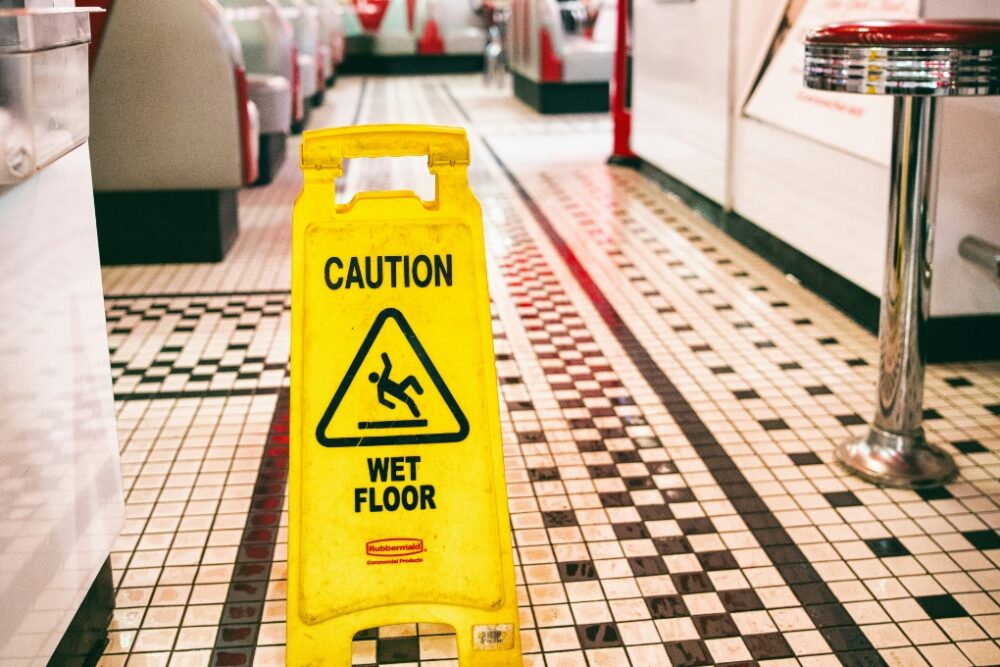
For example, consider shopping at a grocery store. As you walk through the aisles, you slip on a puddle unexpectedly and fall. The property owner failed to recognize this hazard, remedy it or warn you with a wet floor sign. Consequently, a slip and fall law firm could hold them liable for your injuries.
- Licensees
A licensee is a person who has permission to be on another’s property for their own convenience, interest or pleasure. Typically, a premises liability attorney would encounter licensees in the form of friends, family members or social guests.
Property owners are only liable for injuries to licensees if they were aware of hazards and failed to correct them. The property owner does not need to fully inspect their property for dangers prior to inviting people over. However, they must warn guests of known dangers to fulfill their duty of care.
For example, consider attending Thanksgiving dinner with your family. When walking up to the door, you slip on a layer of ice and fall. If the homeowner had noticed the ice earlier that day but failed to salt it or warn you, they would be liable for your injuries.
- Trespassers
A trespasser is a person who enters someone else’s property without permission — whether accidentally or intentionally. As premises liability attorneys near you, we encounter trespassers in the form of:
- Burglars
- Vandals
- Protesters
- Unauthorized hunters
- Accidental trespassers
- Guests who refuse to leave
Generally, property owners owe no duty of care to trespassers. If someone enters a property without permission, they assume the risks and liability that come with it.
For example, imagine that you walked across your neighbor’s yard and their dog bit you. If you did not have permission to cross, your neighbor had no duty of care to protect you. By trespassing, you assume the risks of the encounter and the resulting injuries.
However, a slip and fall law firm may be able to hold property owners accountable with the following exceptions:
- Willful conduct: A property owner must refrain from willfully harming a trespasser. Setting hidden traps, continuing dangerous operations or using excessive force may make the property owner liable for injuries.
- Known trespassers: Some properties, such as construction zones, have regular trespassers. If a property owner is aware of trespassers, they may need to put up warning signs to avoid liability.
- Attractive nuisance: Some hazards, such as an empty swimming pool, may be particularly attractive to children. In this case, property owners must take reasonable precautions to prevent access to the hazard or make it harmless.
Visitor Responsibilities
Upon investigation, a premises liability attorney may find the visitor at fault for their injuries. All visitors must take care of their own safety and avoid hazards that are deemed “open and obvious.”
For example, imagine you’re walking through a parking lot and trip over a bright yellow curb. The curb was an obvious condition that any person expressing ordinary care would notice. As a result, the property owner would not be liable for your injuries. A slip and fall law firm would be unlikely to take your case.
Contact a Premises Liability Attorney
Knowing your rights as a visitor is the first step toward justice after experiencing an injury on someone else’s property. Whether you were invited, conducting business or unsure of your status, understanding how the law can make a significant difference in your case.
If you’ve been hurt, don’t wait — consulting premises liability attorneys near you will help you secure the compensation you deserve. Contact Roman & Boock at 314.754.1500 for a free, no-obligation consultation.